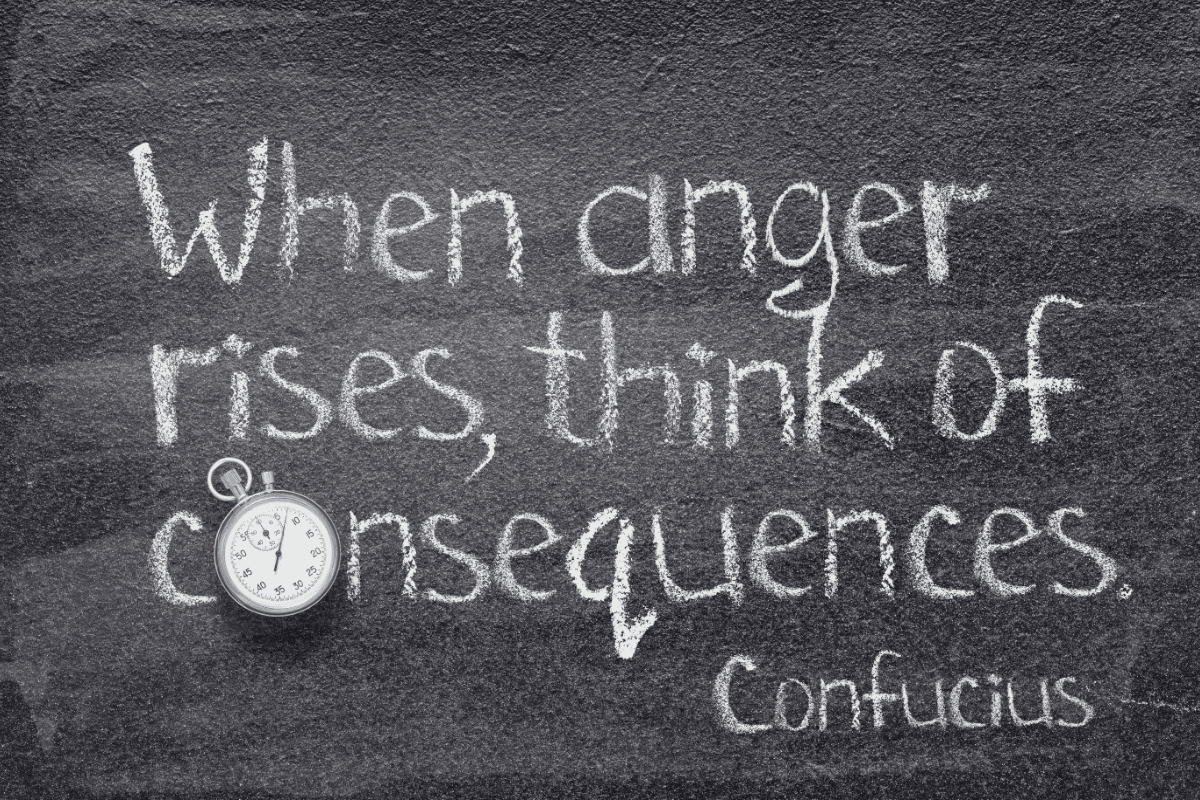
Anger is a normal part of being human. But when frustration builds quickly, reactions feel difficult to control, or anger starts affecting the people and responsibilities that matter to you, additional support can make a difference. Anger management therapy at Ocean Insight Center in Toms River helps children, teens, and adults better understand their emotional responses and develop healthier ways to handle difficult moments.
Feeling angry isn't necessarily a problem. It becomes more concerning when anger feels unpredictable, overwhelming, or begins creating problems in everyday life.
Therapy may be helpful if you:
Experience frequent outbursts or intense frustration
Become irritated easily
Have trouble calming down after becoming angry
Find yourself arguing frequently with others
Feel your reactions are stronger than the situation calls for
Have difficulty expressing your needs without becoming angry
Continue thinking about upsetting situations long afterward
Avoid certain situations because you're concerned about your reactions
Want to handle conflict differently
Seeking help isn't about labeling you as an angry person. It's about understanding what's happening beneath the reaction and learning what you can do differently.
Understanding What Triggers Anger
Anger can have many starting points. Sometimes the immediate situation isn't the whole story.
Triggers may include:
Relationship conflict
Work or school pressure
Feeling criticized or misunderstood
Family tension
Feeling ignored or disrespected
Major changes or transitions
Ongoing stress
Past experiences or unresolved emotions
Learning your personal warning signs and triggers can make it easier to intervene before frustration turns into an intense reaction.
Learning to Respond, Not React
Anger management isn't about eliminating anger. It's about creating more space between the emotion and what happens next.
Therapy may help you:
Recognize situations that trigger anger
Notice physical and emotional warning signs
Slow down before reacting
Strengthen emotional regulation
Communicate feelings more effectively
Set appropriate boundaries
Handle disagreements more constructively
Develop healthier coping strategies
Reduce impulsive responses
Your therapist can help identify which approaches make sense for your personality, circumstances, and goals.
Practical Strategies for Difficult Moments
Different situations call for different tools. Depending on your treatment needs, therapy may introduce strategies such as:
Breathing & Grounding
Simple techniques can help reduce the physical intensity that often accompanies anger.
Creating a Pause
Taking a moment away from a heated situation can provide time to regain control and think more clearly.
Examining Thought Patterns
Recognizing assumptions, interpretations, or automatic thoughts can help you look at a situation differently.
Assertive Communication
Learn to express feelings, needs, and boundaries clearly without becoming aggressive or shutting down.
Problem-Solving
Addressing the issue underneath the frustration can be more productive than continuing to react to it.
When Anger Affects Relationships
Anger can change the way people communicate with one another. Repeated arguments, criticism, withdrawal, or emotional outbursts can gradually create distance in relationships.
Therapy can help you develop communication and emotional regulation skills that support healthier interactions with:
Partners
Family members
Children
Friends
Coworkers
Others in your everyday life
The goal isn't to eliminate disagreement. Healthy relationships can include differences. The goal is learning how to navigate those differences without allowing anger to take over.
Anger Management for Teens
Adolescence can bring intense emotions along with academic pressure, changing relationships, family expectations, and a growing desire for independence.
Therapy can help teens:
Recognize their emotional triggers
Build healthier coping skills
Communicate more effectively
Manage frustration
Navigate conflict
Strengthen relationships
Become more aware of their emotional responses
Treatment is adapted to the teenager's age, personality, circumstances, and individual goals.
A Personalized Approach to Anger Management
There isn't one reason people struggle with anger, so there shouldn't be one standard solution. For some people, anger may be connected to stress or communication difficulties. For others, it may be part of a broader emotional or mental health concern.
At Ocean Insight Center, your therapist takes time to understand your experiences and identify patterns that may be contributing to your reactions. Anger management strategies can also be incorporated into individual, family, or adolescent therapy when appropriate.
Frequently Asked Questions
A Different Response Starts With Awareness
You don't have to stop feeling anger to have more control over how you respond to it. Ocean Insight Center in Toms River, NJ provides individualized support to help you understand your reactions, build practical emotional skills, and create healthier patterns. Contact Ocean Insight Center to learn more about anger management therapy and take the next step toward more balanced responses and stronger relationships.
Your Next Chapter Starts Here
Reach out to explore how the right support can help you or your loved one move forward with greater clarity and confidence.